From Southern to Tex-Mex: A Guide to Cornbread Dressing
Few dishes evoke the warmth and tradition of American holidays quite like a hearty baked casserole brimming with savory goodness. Among these,
cornbread dressing holds a particularly special place, especially in the Southern United States. It’s a dish so beloved, yet so varied, that it sparks friendly debates from one kitchen to the next. Is it "stuffing" or "dressing"? What’s the difference, anyway? According to culinary experts like chef Alexander Smalls, it's quite a lot! The distinction often lies in whether the mixture is cooked inside the bird (stuffing) or in a separate baking dish (dressing), and the ingredients can change dramatically depending on regional culinary traditions. While many Northern tables feature bread-based stuffings, the South proudly champions its distinctive cornbread dressing, a true culinary cornerstone. Join us as we explore the rich history, classic preparations, and exciting global twists of this iconic dish. For a deeper dive into the "stuffing vs. dressing" debate, check out
Stuffing or Dressing? Alexander Smalls Explains the Key Differences.
The Heart of Southern Comfort: Traditional Cornbread Dressing
At its core, a classic Southern
cornbread dressing is a testament to simple, wholesome ingredients transformed into something extraordinary. The foundation, as the name suggests, is cornbread – ideally homemade, day-old, and not too sweet. Many Southern cooks insist on a buttermilk cornbread, crumbled to perfection, offering a tangy counterpoint and a robust texture that holds up beautifully during baking.
The traditional flavor profile is built on a symphony of aromatics and herbs. Chopped celery and onions are sautéed until tender, forming the aromatic base. Sage is the undisputed herb hero, infusing the dressing with its distinct, earthy, and slightly peppery notes that are synonymous with holiday meals. Chicken broth, often homemade from the bird's giblets, moistens the mixture, ensuring it's never dry. Eggs act as a binder, helping the dressing set into a cohesive yet tender casserole. Some recipes include chopped boiled eggs or the aforementioned giblets, adding another layer of traditional flavor and texture.
The ideal Southern
cornbread dressing is moist and tender on the inside, with a glorious, golden-brown, slightly crispy crust on top. It's a dish that embodies comfort, heritage, and the quintessential flavors of Southern hospitality. Renowned Southern cooks, like Brenda Gantt, are celebrated for their take on this beloved classic, often passed down through generations.
Beyond the Basics: Flavorful Twists and Regional Treasures
While the traditional Southern recipe is sacred, the beauty of
cornbread dressing lies in its incredible versatility. Across different regions and culinary traditions, this dish takes on unique characteristics, incorporating local ingredients and flavor preferences.
Low Country Delights: Oyster Cornbread Dressing
One of the most celebrated regional variations hails from the Low Country of South Carolina and Georgia, where seafood plays a starring role. Chef Alexander Smalls, a champion of Low Country cuisine, highlights the exquisite flavor of
oyster cornbread dressing. This version incorporates plump, briny oysters, which impart a delicate, salty sweetness and a tender texture that complements the cornbread beautifully. Often, this richness is enhanced with crispy slab bacon, adding a smoky, salty counterpoint and delightful textural crunch.
Further along the Gulf Coast, particularly in Louisiana's bayou country, similar inspirations lead to a robust, bayou-inspired spinach casserole that features chopped oysters, cornbread dressing, a kick of Worcestershire and hot sauce, all baked under a blanket of melted cheddar. These variations showcase how a core concept can be adapted to reflect the bounty of local waters and the bold flavors of regional cooking. Some elaborate holiday preparations even involve basting the turkey in oyster liquor and butter, then stuffing it with an oyster-rich cornbread dressing that might also include pecans, mushrooms, and giblets for an unparalleled feast centerpiece.
Hearty Additions: Sausage and Giblet Variations
For those who prefer a more robust, meaty flavor, integrating browned sausage meat is a popular choice. This version of Southern-style
cornbread dressing often includes sweet or spicy sausage, sautéed with onions, celery, and parsley, adding a rich, savory depth that transforms the dish into a heartier offering. It's a fantastic option for filling a turkey, offering a satisfying counterpoint to the poultry.
Traditionalists also often incorporate giblets – the cooked and chopped heart, liver, and gizzard of the turkey or chicken – into their dressing. These additions provide a subtle gamey flavor and a rustic texture that many find indispensable for an authentic holiday experience. Prepping giblets is simple: simmer them in water or broth with some aromatics until tender, then chop finely before adding to the dressing mixture.
A Southwestern Sizzle: Tex-Mex Cornbread Dressing
Venturing westward,
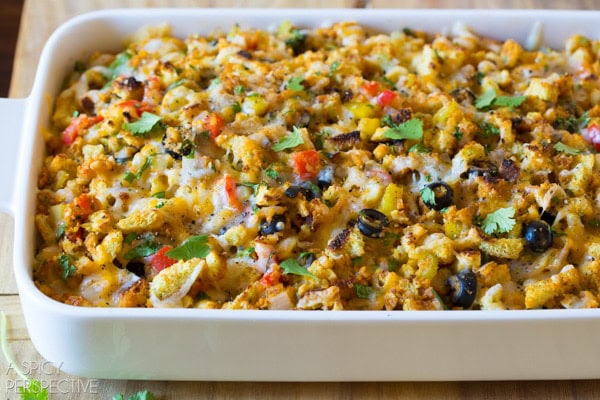
cornbread dressing takes on an exciting Tex-Mex persona, infused with the vibrant and bold flavors of the Southwest. This adventurous variation introduces ingredients like spicy jalapeños, crisp chayote, fresh cilantro, and crunchy pecans alongside the traditional sage. The result is a dressing that offers a delightful kick of heat, a refreshing herbaceousness, and a satisfying textural contrast. Imagine a whole roasted turkey stuffed with this bold Southwest cornbread dressing – it's a showstopper that will undoubtedly have the whole table talking and asking for the recipe. This innovative twist proves that while some traditions are cherished, there's always room for creative, flavorful evolution.
Crafting the Perfect Cornbread Dressing: Tips and Techniques
Achieving that perfect balance of moist, flavorful, and slightly crispy
cornbread dressing isn't just about the ingredients; it's also about technique. Here are some essential tips to elevate your holiday side dish:
*
The Cornbread Foundation: Always use day-old or slightly stale cornbread. Freshly baked cornbread tends to be too moist and can result in a soggy dressing. Avoid overly sweet cornbread often labeled as "cornbread mix" if you're aiming for a savory profile; traditional Southern cornbread is usually less sweet, relying on the corn's natural flavor. For an authentic tang, buttermilk cornbread is ideal.
*
Moisture Control is Key: The amount of broth needed can vary depending on the dryness of your cornbread and personal preference. Add broth gradually until the mixture is thoroughly moistened but not swimming. It should feel like a very thick, damp batter. Baking covered for the initial period helps retain moisture, while uncovering for the last 20-30 minutes creates that coveted golden, crispy top.
*
Flavor Building: Don't skimp on sautéing your aromatics (celery, onions, and often garlic) until they are tender and fragrant. This step extracts their full flavor. Use fresh herbs when possible for a brighter taste, but good quality dried sage is perfectly acceptable and traditional. Taste and adjust your seasoning; a well-seasoned dressing is a truly memorable one.
*
Texture Play: Crumbling your cornbread gives a rustic, homey texture. For a slightly different mouthfeel, some prefer to cube their cornbread, which results in more defined pieces. Adding ingredients like toasted pecans or water chestnuts can introduce an extra layer of crunch.
*
Make-Ahead Magic: Cornbread dressing is an excellent make-ahead dish. You can assemble it the day before, cover it, and refrigerate. On Thanksgiving Day, simply pop it into the oven. If baking from cold, you might need to add 10-15 minutes to the baking time. For reheating leftovers, a little extra broth can help bring back its moisture, or you can crisp it up in a cast-iron skillet on the stovetop.
*
Don't Rush It: As some seasoned cooks advise, "You MUST READ ALL of the instructions. There are simple but crucial instructions there." Paying attention to details like proper cooking temperature, pan size, and ensuring your ingredients are correctly prepared will make all the difference.
From its humble beginnings as a Southern staple to its diverse interpretations across regional cuisines,
cornbread dressing remains a beloved and versatile dish. Whether you prefer the traditional sage-infused classic, a briny oyster-laden masterpiece, a hearty sausage-packed version, or a zesty Tex-Mex creation, there's a cornbread dressing out there to delight every palate. Its ability to adapt while retaining its comforting essence is what makes it a true culinary icon. So, gather your ingredients, choose your adventure, and prepare to create a memorable dish that celebrates flavor, family, and tradition. For even more inspiration, explore these
Thanksgiving Cornbread Dressing: 13 Unique & Classic Recipes to find your perfect holiday side.