Stuffing or Dressing? Alexander Smalls Explains the Key Differences
The Thanksgiving table is a tapestry of traditions, flavors, and often, spirited debates. Among the most enduring culinary arguments is the distinction between "stuffing" and "dressing." While many use the terms interchangeably, particularly when referring to the beloved Thanksgiving side, true food aficionados and regional culinary experts will tell you there's a world of difference. Chef, restaurateur, and cookbook author Alexander Smalls, a maestro of Lowcountry cuisine, sheds crucial light on this flavorful distinction, emphasizing that the choice between stuffing and dressing often tells a story of geography, method, and heritage, especially when it comes to the iconic cornbread dressing.The Core Debate: Stuffing vs. Dressing Explained by Alexander Smalls
For Alexander Smalls, the difference isn't merely semantic; it's fundamental to the dish's identity and its very preparation. The simplest, yet most profound distinction lies in where the dish is cooked.Traditionally:
- Stuffing refers to a mixture that is cooked inside the cavity of a bird (like a turkey or chicken) during the roasting process. The advantage? It absorbs all the savory juices from the bird, resulting in an incredibly moist and flavorful side. The downside? Cooking it inside can sometimes make it dense and prevent a crispy crust, and historically, there were food safety concerns if not cooked to a high enough internal temperature.
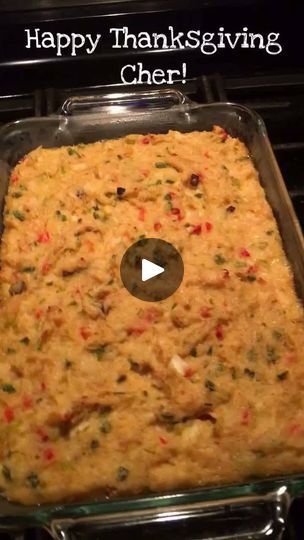
- Dressing, conversely, is a mixture baked in a separate dish, outside of the bird. This method allows for a more even bake, often yielding a delightful contrast of a crispy, golden-brown top and a tender, moist interior. It also offers greater flexibility in terms of volume and texture, and crucially, eliminates food safety worries associated with raw poultry contact.
The Heart of Southern Comfort: What Makes Cornbread Dressing Unique?
When we speak of "dressing," particularly in the South, one ingredient immediately springs to mind: cornbread. Cornbread dressing isn't just a side dish; it's an institution, a symbol of warmth, tradition, and culinary heritage. Unlike bread-based stuffings or dressings that rely on white or sourdough bread, cornbread dressing brings a distinct texture and flavor profile that is deeply satisfying.The foundation of a magnificent cornbread dressing begins with the cornbread itself. Ideally, it should be made from scratch, a simple, non-sweet, buttermilk cornbread. Day-old or slightly stale cornbread is preferred as it crumbles beautifully and absorbs liquids without becoming mushy. This creates a more substantial, crumbly base that holds up well to the addition of broth and other ingredients. Some traditional recipes, like those inspired by Brenda Gantt, swear by a specific texture and flavor profile for their foundational cornbread.
Beyond the cornbread, the symphony of flavors in a classic Southern cornbread dressing typically includes:
- Aromatics: Finely diced celery and onions, sautéed until tender, forming the aromatic backbone.
- Herbs: Sage is paramount, often accompanied by parsley and sometimes thyme, infusing the dressing with its unmistakable Thanksgiving scent.
- Broth: Rich chicken or turkey broth provides essential moisture and depth of flavor, binding the ingredients together.
- Eggs: Beaten eggs act as a binder, helping the dressing set and achieve a cohesive, yet tender, texture.
- Optional Additions: Some recipes might include chopped boiled eggs, or a touch of butter for richness.
Alexander Smalls' Lowcountry Twist: Oyster Cornbread Dressing
Alexander Smalls, with his deep roots in Lowcountry cuisine, elevates the classic cornbread dressing to an art form, infusing it with the unique flavors of the South Carolina coast. His Low Country Oyster Cornbread Dressing with Crispy Slab Bacon is a testament to how regional ingredients can transform a familiar dish into something extraordinary.Smalls' creation is a masterclass in balance and flavor layering. The inclusion of oysters brings a briny, subtly sweet, and wonderfully savory note that is characteristic of coastal Southern cooking. Far from being overpowering, the oysters melt into the dressing, imparting a delicate umami richness that complements the earthy cornbread and herbaceous seasoning. The addition of crispy slab bacon introduces a smoky, salty counterpoint, adding texture and a depth of flavor that is simply irresistible. This is not just a side; it's a statement piece, a culinary journey to the tidal creeks and oyster beds of the Lowcountry.
To achieve such a distinctive flavor, Smalls likely uses fresh, briny oysters, perhaps even incorporating some of their liquor into the broth mixture for an intensified oceanic essence. The crispy bacon provides a textural contrast that prevents the dressing from becoming monolithic, creating pockets of crunchy, savory goodness within the moist, tender cornbread base. It's a prime example of how a skilled chef can take a beloved staple and imbue it with personal history and regional identity, making it truly special.
Beyond the Basics: Exploring Diverse Cornbread Dressing Creations
While the classic Southern cornbread dressing holds a revered place, the versatility of cornbread as a base allows for an incredible array of regional and personal interpretations. The references provided highlight just how diverse this dish can be, transforming from a simple side to a bold centerpiece.The journey of cornbread dressing extends far beyond the traditional sage and celery profile:
- The Hearty and Meaty: Many recipes lean into rich proteins. Imagine a Southern-style cornbread dressing studded with browned sausage meat, onions, celery, and parsley. This hearty version, often sized to fill a large turkey, becomes a meal in itself. Others might incorporate giblets (from the turkey itself) for an even deeper, more traditional flavor profile.
- The Coastal and Bayou Influences: Beyond Smalls' oyster rendition, the Gulf Coast offers further inspiration. A spinach casserole featuring chopped oysters, cornbread dressing, Worcestershire, and hot sauce, all baked under a blanket of melted cheddar, truly captures bayou zest. Another variation features whole roasted turkey basted in oyster liquor, stuffed with a dressing packed with chopped oysters, pecans, mushrooms, and giblets – a true holiday showstopper that earns its place at the head of the table.
- The Tex-Mex Twist: For those seeking a vibrant, spicy kick, cornbread dressing can journey Southwest. A whole roasted turkey stuffed with a bold Southwestern cornbread dressing loaded with jalapeños, chayote (a mild squash), cilantro, pecans, and sage offers an unexpected and exciting flavor profile that will have guests talking. It perfectly showcases how culinary traditions can merge to create something new and captivating.
Tips for Perfecting Your Cornbread Dressing
Achieving the perfect cornbread dressing involves a few key techniques that can elevate your dish from good to unforgettable:- Start with the Right Cornbread: Use day-old, unsweetened, crumbled cornbread. This ensures it’s sturdy enough to absorb the liquids without becoming mushy.
- Don't Overmix: Gentle folding of ingredients prevents a dense, heavy dressing. You want it light and crumbly.
- Achieve the Right Moisture Level: This is crucial. The mixture should be very moist, almost wet, before baking. It will absorb a lot of liquid during cooking. Start with the suggested amount of broth, then add more incrementally until the mixture is visibly moist but not swimming in liquid.
- Flavor Development: Sauté your aromatics (celery, onions) until very soft to coax out their full flavor. Don't skimp on fresh herbs, especially sage.
- Crispy Top, Moist Interior: For that coveted crispy top, bake uncovered for most of the cooking time, perhaps covering loosely with foil if it browns too quickly. A shallow, wide baking dish can also help maximize the crispy surface area.
- Rest Before Serving: Like many baked dishes, allowing your dressing to rest for 10-15 minutes after it comes out of the oven lets the flavors meld and the texture set.
- Make Ahead Option: Most cornbread dressing recipes can be assembled a day in advance, covered, and refrigerated. Bring to room temperature before baking, and you might need to add an extra splash of broth if it seems too dry after chilling.
